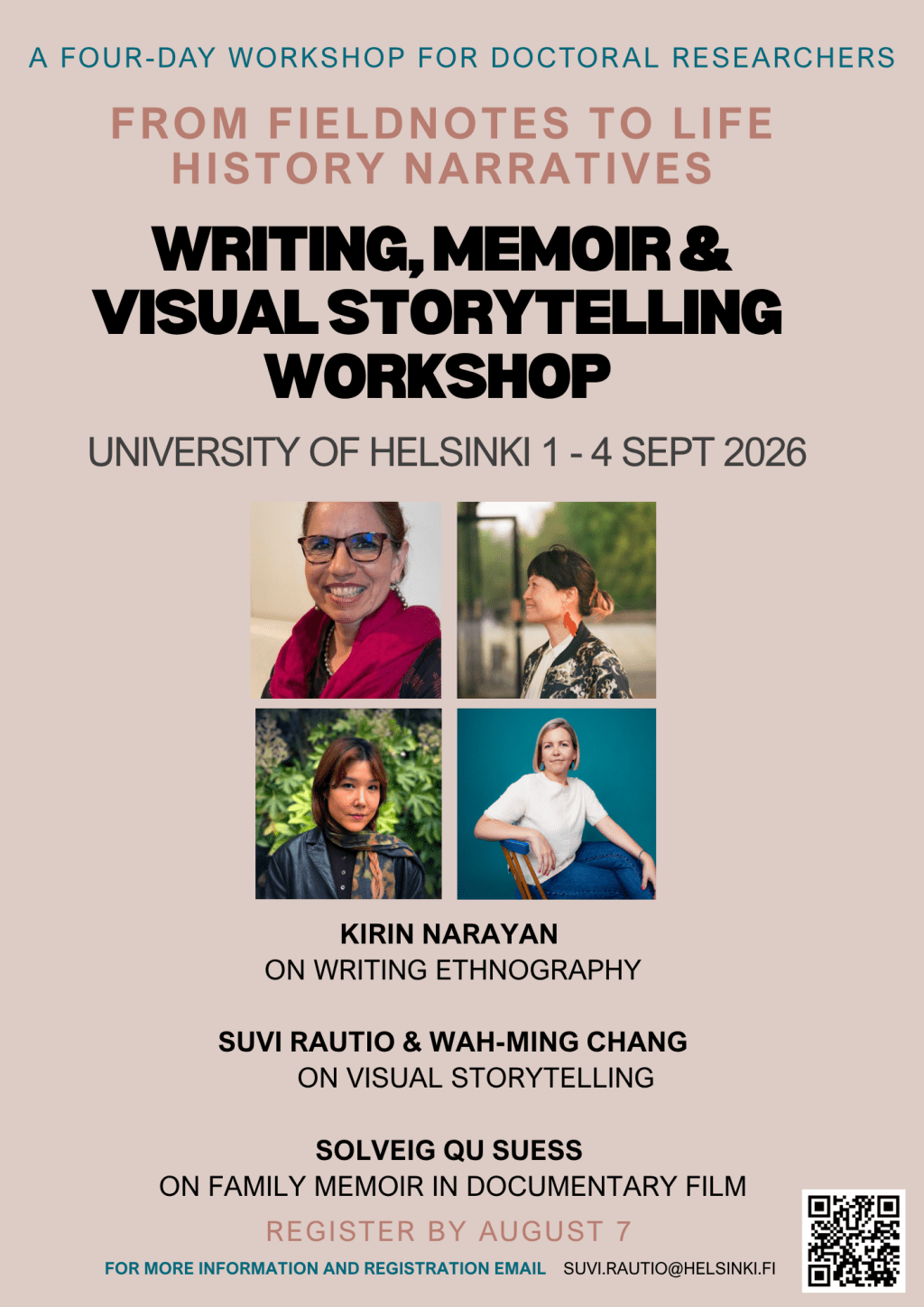
Dates and Times: September 1 – 4 2026
Tues-Thurs from 10AM-12 and 2-4PM; Fri from 10AM-12
Sessions led by:
- Kirin Narayan on writing ethnography (in-person)
- Wah-Ming Chang and Suvi Rautio collaborate to talk about sequencing images and text in and visual storytelling (in-person)
- Solveig Qu-Suess on family memoir in film (joining virtually from Shanghai)
Organizer: Suvi Rautio
Registration deadline: Friday, August 7 (see details below)
Location: University of Helsinki City centre campus (Topelia and Kielikeskus/Language Center, scroll down for more info!)
This Event is Supported by University of Helsinki Doctoral programmes in humanities and social sciences and the European Union
*Course Description*
“From Fieldnotes to Life History Narrative” is a four-day collaborative initiative between two anthropologists, a documentary filmmaker and a fiction writer to provide doctoral researchers with the tools necessary to bring their empirical research to life. The course welcomes doctoral researchers who have completed ethnographic fieldwork and are currently in the writing phase of drafting their thesis.
The workshop is aimed at researchers working with fieldnotes, interview transcripts alongside photographs, art, sound clips and/or video footage. Workshop participants will be guided through exercises to weave their empirical material with theory and written text – whether that be academic or creative – and work towards writing an ethnography that tells its own story.
Over four days, all workshop participants will engage in peer exchange to generate new analytical insights, and to build a sense of community that is fundamental during the otherwise solitary writing phase. Moreover, in thinking creatively about narrative sequencing, we hope students can form a degree of critical distance from their material. This distancing is essential particularly when engaging with ethnography that brings to the fore its more intimate or vulnerable dimensions.
By the end of the four days, participants will have produced a coherent visual storytelling narrative and gained practical tools for critically engaging with personal and archival materials across artistic and scholarly contexts to help them in their doctoral thesis.
*Registration*
Registration: Email Suvi Rautio (suvi.rautio@helsinki.fi) by Friday, August 7 with a brief paragraph explaining who you are and how your research aligns with the aims of the workshop. Please include your name, affiliation, email address and what phase you are in with your PhD thesis.
If you are a doctoral researcher from outside of Helsinki University, you can apply for a non-degree study right for a doctoral course by requesting an application form from uhds-office@helsinki.fi. For more information, refer to the following page: https://studies.helsinki.fi/ohjeet/artikkeli/tohtoriopinnot-muissa-kotimaisissa-yliopistoissa
Course number: SOC-942 and SOC-943
Credits: 2
Required outcome: Portfolio; Pass/Fail*
*Attendance on all days is compulsory. All workshop participants must also commit to the completion of all writing assignments, including a short writing assignment before the course begins.
*Itinerary and Location*
Sept 1st 10AM-12 and 2-4PM:
Room: Kielikeskus (language center) sh. 205
Introductions. Kirin Narayan workshop on crafting ethnography and writing. Apply tools in writing.
Sept 2nd 10AM-12 and 2-4PM:
Room: Kielikeskus (language center) V5 sh. 144
Solveig talk on film (virtual). Wah-Ming & Suvi workshop on sequencing images and text in visual storytelling. Apply tools in writing.
Sept 3rd 10AM-12 and 2-4PM:
Room: Topelia A205
Sharing. All participants share what they have been working on in class.
Sept 4th 10AM-12:
Room: Kielikeskus (language center) sh. 203
Q&A and bigger discussion.
*Presenters*
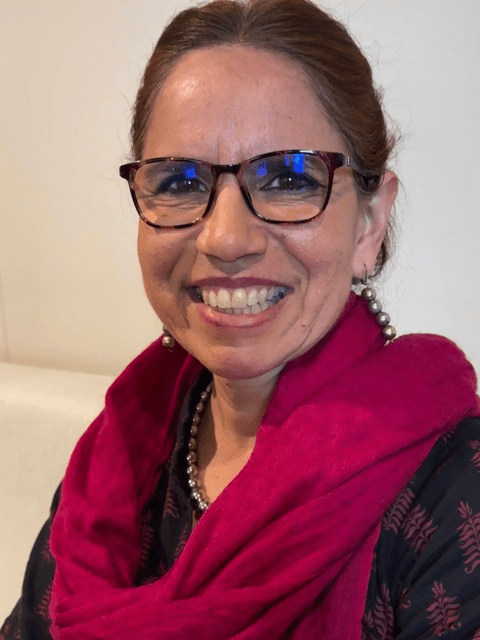
Kirin Narayan is Emerita Professor of Anthropology and South Asian Studies at the Australian National University. She is the author of seven books including a family memoir, My Family and Other Saints (2007); a book on generating writing, Alive in the Writing: Crafting Ethnography in the Company of Chekhov (2012); an ethnography emerging from long-term fieldwork, Everyday Creativity: Singing Goddesses in the Himalayan Foothills (2016); and a “questography” following an ancient family story, Cave of My Ancestors: Vishwakarma and the Artisans of Ellora (2024).
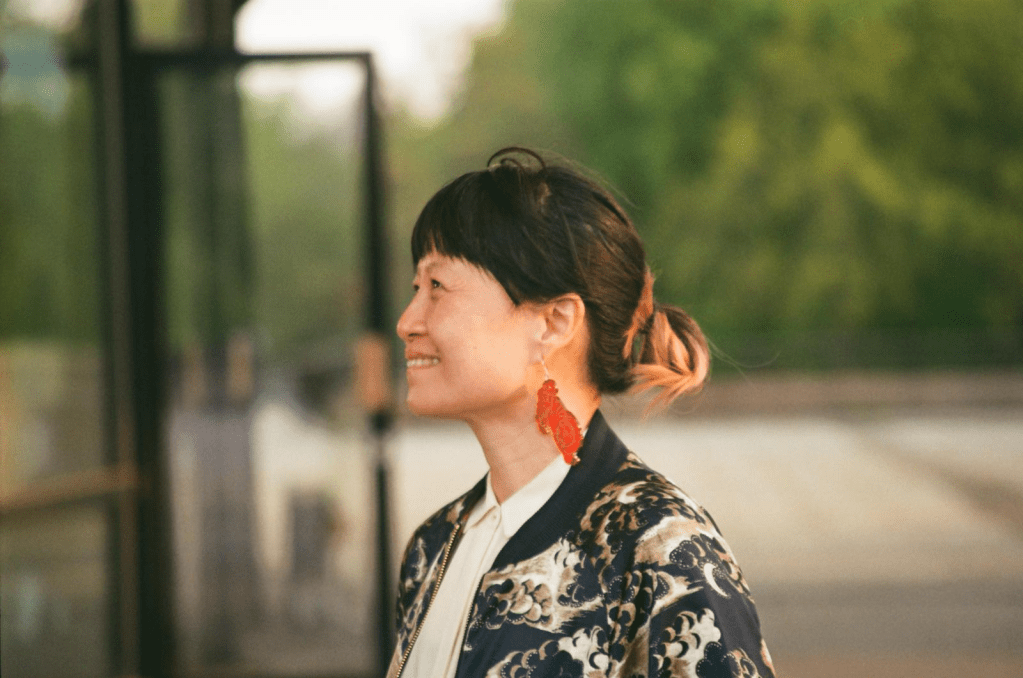
Wah-Ming Chang is a writer and bookmaker whose work has appeared in The Kenyon Review and Epiphany Magazine, among other publications, and has been supported by such organizations as the Saltonstall Foundation for the Arts and the New York Foundation for the Arts. She is the author of Hand, Held (Bored Wolves, 2026), an artist’s book about her father’s art practice. Elements of Hand, Held were exhibited at the 39 Footnotes group exhibition (2025) and at the Archives of Longing group performance and workshop (2026), both presented at Accent Society in New York City. She received an MFA in creative writing from Cornell University and is currently the Managing Editorial Director at Catapult Book Group.
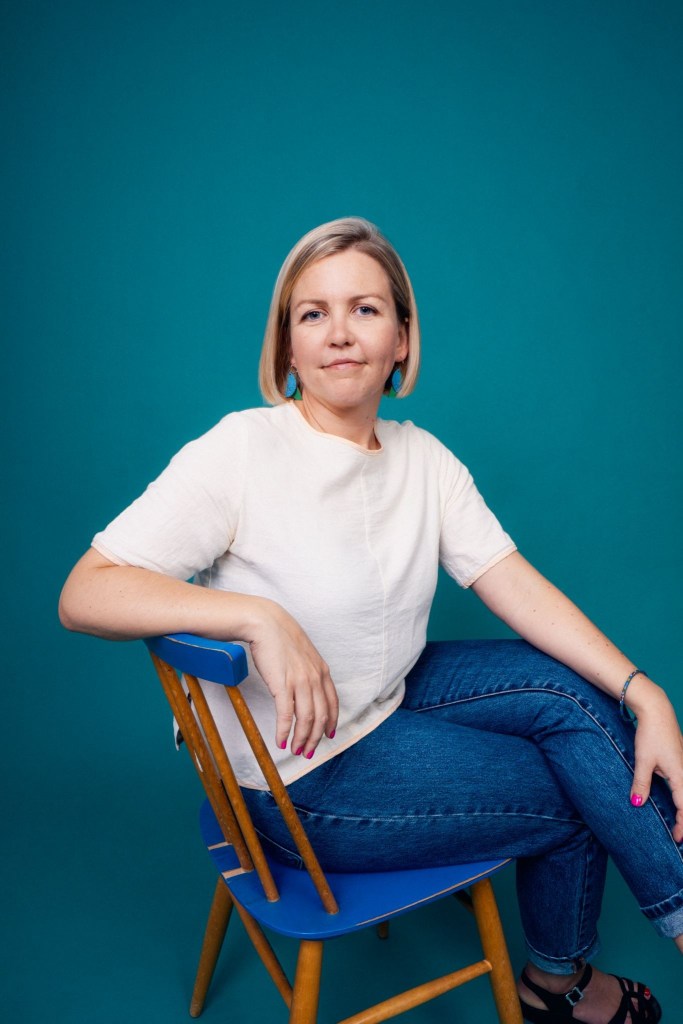
Suvi Rautio is a social and cultural anthropologist whose research focuses on collective memory, cultural heritage, and ethnographies of encounter in contemporary China. She is the author of The Invention of Tradition in China: Story of a Village and a Nation Remade (2024). Her current project examines intelligentsia families in Beijing under Mao Zedong rule drawing on oral histories, photographs and love letters. The project starts from her own family history and extends outward to explore how broader social and historical processes in contemporary China shape experiences of belonging and exclusion.
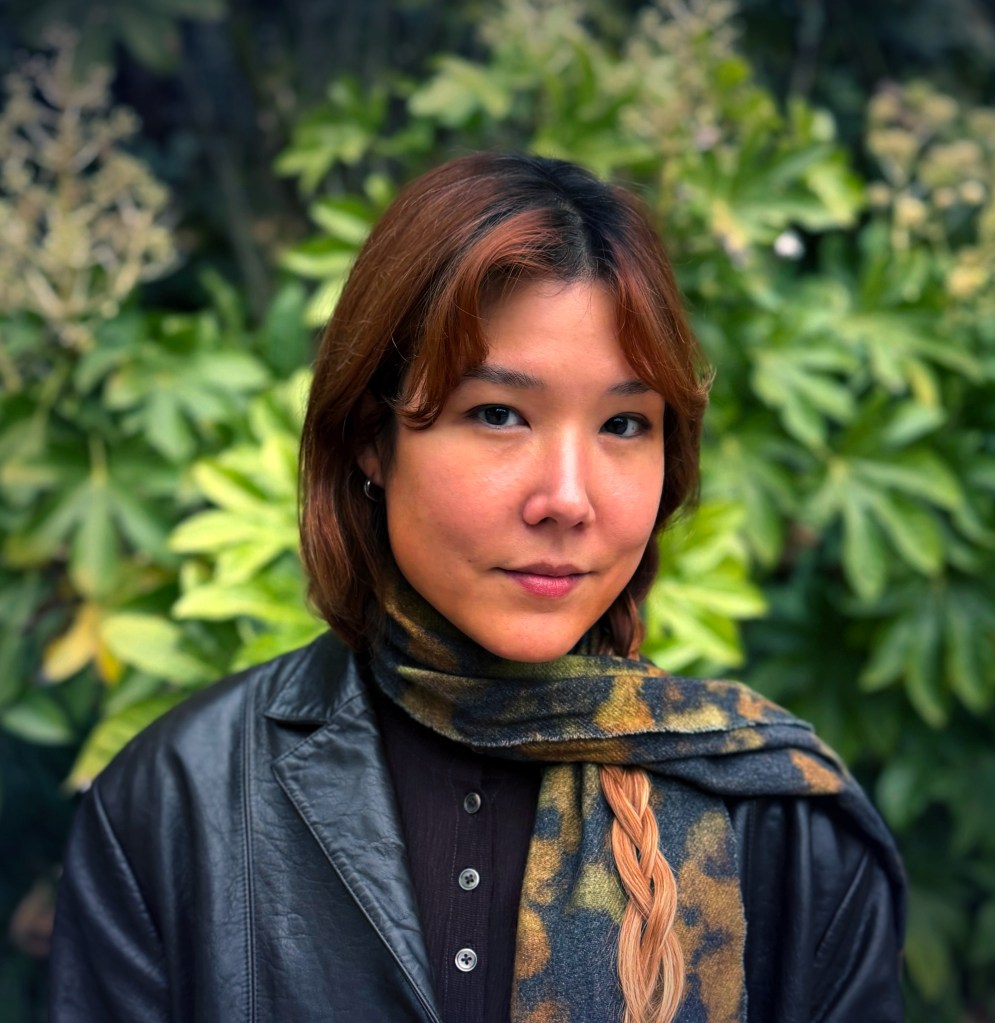
Solveig Qu Suess is an artist-filmmaker working across documentary cinema, installation, and writing. Her work draws on visual culture and spatial politics to examine how optical and media infrastructures shape experiences of time, space, and memory. Moving between global systems and personal archives, she traces emotional and technological entanglements across postcolonial and diasporic contexts. She is currently a PhD candidate in Urban Studies at the University of Basel and a visiting scholar at the Center for Global Asia, NYU Shanghai.


One response to “workshop alert! From Fieldnotes to Life History Narrative, Sept 1-4 2026”
[…] provide doctoral researchers the tools necessary to bring their empirical research to life. Click here to learn more about the event and […]
LikeLike